|
|
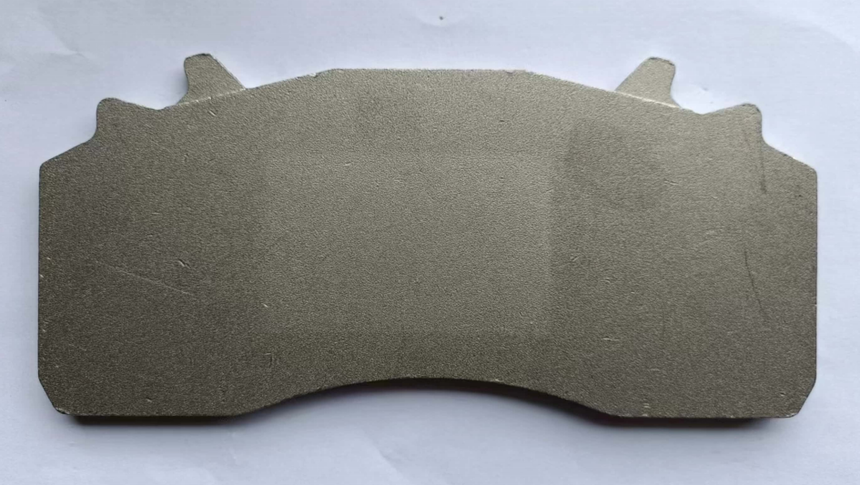
How to balance the wear resistance and heat dissipation of brake pad steel backing?The wear resistance and heat dissipation of brake pad steel backing need to be considered comprehensively. The following is a method to achieve a balance between the two: 1、 Understanding the importance of wear resistance and heat dissipation Wear resistance Ensure the service life of brake pads: The wear resistance of the steel backing directly affects the overall service life of the brake pads. If the steel backing is not wear-resistant, it is prone to wear and deformation during use, resulting in poor contact between the brake pads and brake discs, reducing braking effectiveness, and shortening the replacement cycle of brake pads, increasing usage costs. Maintain the stability of the braking system: The wear-resistant steel back can maintain its shape and size stability during long-term use, ensuring even pressure distribution between the brake pads and brake discs, thereby improving the reliability and safety of the braking system. Heat dissipation Preventing brake overheating: During the braking process, the friction between the brake pads and brake discs generates a large amount of heat. If the heat dissipation of the steel back is poor and the heat cannot be dissipated in a timely manner, it will cause the brake pad temperature to be too high, thereby reducing the friction coefficient and affecting the braking effect. In severe cases, it may also cause thermal degradation of brake pads and even pose a risk of brake failure. Protecting brake system components: Good heat dissipation performance can reduce the temperature of other components in the brake system, such as brake calipers, brake oil pipes, etc., extending the service life of these components. 2、 Choose appropriate materials Steel that balances wear resistance and heat dissipation Some special alloy steels or specially treated steels can balance wear resistance and heat dissipation to a certain extent. For example, steel containing appropriate amounts of alloying elements such as chromium and molybdenum has high hardness and wear resistance, and its thermal conductivity is relatively good, which can effectively dissipate heat. Manufacturers can choose suitable steel to make brake pad steel backs according to different usage and performance requirements. Heat treatment process of materials Proper heat treatment of steel can improve its performance. For example, through heat treatment processes such as quenching and tempering, the hardness and strength of steel can be improved, and its wear resistance can be enhanced; Meanwhile, reasonable heat treatment can also adjust the microstructure of steel, improve its thermal conductivity, and enhance heat dissipation.
3、 Optimize the design of the steel back Add heat dissipation structure In the design of the steel back, structures such as heat dissipation fins and ventilation holes can be added to improve the heat dissipation performance. Heat sinks can increase the surface area of the steel back and accelerate the dissipation of heat; Ventilation holes can promote air circulation and take away heat. For example, some high-performance brake pad steel backs use wavy or fin shaped heat sink designs, greatly improving heat dissipation efficiency. Reasonably design the thickness and shape of the steel back The thickness and shape of the steel back also affect its wear resistance and heat dissipation. Generally speaking, thicker steel backs have better wear resistance, but their heat dissipation performance may be relatively poor; Thinner steel backing has better heat dissipation performance, but its wear resistance may be affected to some extent. When designing, trade-offs need to be made based on specific usage scenarios. For example, for vehicles that are frequently used at high speeds or under heavy loads, the thickness of the steel back can be appropriately increased to improve wear resistance; For high-performance vehicles with high requirements for heat dissipation, thinner steel backs can be chosen, combined with the design of heat dissipation structures, to ensure heat dissipation performance. 4、 Surface treatment Surface treatment to improve wear resistance Surface treatment of steel backing can improve its wear resistance. For example, by using surface treatment methods such as galvanizing and chrome plating, a hard protective layer can be formed on the surface of the steel back to prevent wear and corrosion. In addition, the method of spraying wear-resistant materials such as ceramics and tungsten carbide can be used to further improve the wear resistance of the steel back. Surface treatment to improve heat dissipation Some special surface treatment methods can also improve the heat dissipation performance of the steel back. For example, using materials with good thermal conductivity such as thermal sprayed aluminum can improve the thermal conductivity efficiency of the steel back and accelerate the dissipation of heat. At the same time, surface treatment can also improve the bonding performance between steel backing and friction materials, and enhance the overall performance of brake pads. |