|
|
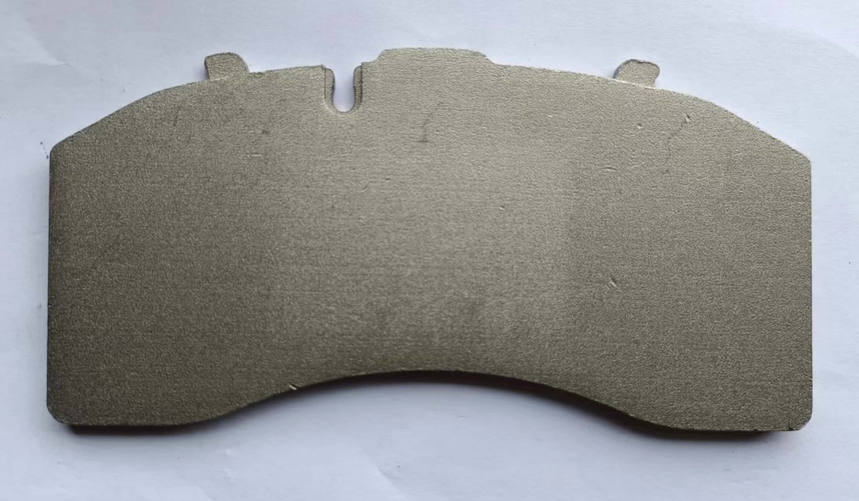
What are the recommended daily maintenance measures for brake pad steel backing?The daily maintenance and upkeep of brake pad steel backing are crucial for ensuring the performance and safety of the brake system. Here are some recommended measures: 1、 Regular inspection Appearance inspection Regularly inspect the appearance of the brake pad steel back and check for rust, deformation, cracks, and other conditions. If rust is found on the surface of the steel back, sandpaper can be used to gently remove the rust, and then rust inhibitor can be applied. Check if the connection between the steel back and the brake pad is secure, and tighten it promptly if there is any looseness. Thickness measurement Use professional measuring tools to measure the thickness of the brake pad steel back. As the usage time increases, the brake pads will gradually wear out, and the thickness of the steel back will correspondingly become thinner. If the thickness of the steel backing is lower than the specified minimum value, the brake pads should be replaced in a timely manner. Overall inspection of brake system While inspecting the steel back, check other components of the brake system, including brake discs, brake calipers, brake oil pipes, etc. Ensure that the surface of the brake disc is flat, without excessive wear and cracks; The brake caliper moves freely without any jamming phenomenon; There is no leakage in the brake oil pipe. 2、 Cleaning and maintenance Remove dirt Regularly clean the brake pad steel back and surrounding components to remove dirt, soil, oil stains, and other contaminants. Compressed air can be used to blow away dust, and then a cleaning agent and soft cloth can be used to wipe the steel back and other components. Be careful not to use highly corrosive cleaning agents to avoid damaging the steel back and other components of the brake system. Prevent corrosion To prevent rusting and corrosion of the steel back, rust inhibitor or protective wax can be applied after cleaning. These products can form a protective film on the surface of the steel back, effectively preventing the erosion of moisture and oxygen. 3、 Correct use of brakes Avoid sudden braking Sudden braking can cause significant impact on the braking system, accelerating the wear of brake pads and steel backing. In daily driving, it is advisable to avoid sudden braking, anticipate road conditions in advance, and slow down smoothly. Reduce long-term braking Long term continuous braking can cause the temperature of the brake system to rise, leading to overheating of the brake pads and steel backing, reducing braking performance, and even potentially causing brake failure. On long downhill sections, engine braking or intermittent braking can be used to reduce the burden on the braking system. Avoid driving through water Try to avoid driving in water as water may enter the brake system, causing rusting and corrosion of the brake pads and steel backing. If you have to wade through water, lightly apply the brakes a few times after wading to drain the water from the brake system.
4、 Pay attention to the storage environment Moisture proof and sun protection If the vehicle is parked for a long time, it should be stored in a dry and ventilated place to prevent the steel back from getting damp and rusting. At the same time, direct sunlight should be avoided to prevent the steel back from deforming due to high temperatures. Regular activity brake Vehicles parked for a long time may experience brake system jamming. To maintain the good condition of the braking system, the vehicle can be started regularly, and the brake pads and steel back can be lightly pressed to move. 5、 Timely replace brake pads Observe the signs of wear and tear Most brake pads have wear marks, and when the brake pads wear close to the wear mark, they should be replaced in a timely manner. If severely worn brake pads are continued to be used, it will accelerate the wear of the steel back and may even damage the brake disc. Replace according to the prescribed mileage The mileage for replacing brake pads may vary among different vehicle models. Generally, brake pads need to be replaced after driving for about 20000 to 50000 kilometers. For specific replacement mileage, please refer to the vehicle's user manual or consult professional car maintenance personnel. In short, through regular inspections, cleaning and maintenance, correct use of brakes, attention to storage environment, and timely replacement of brake pads, the steel back of brake pads can be effectively maintained and serviced, extending the service life of the brake system and ensuring driving safety. |