|
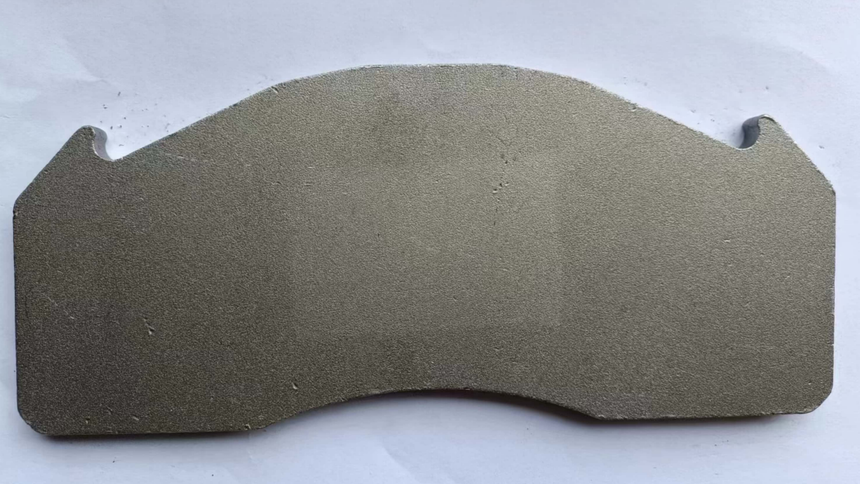
How to determine if the brake pad steel back is damaged?The following methods can be used to determine whether the brake pad steel back is damaged: 1、 Appearance inspection Direct observation Firstly, raise the vehicle or observe the steel backing of the brake pads from the wheels under safe conditions. Check if there is any obvious deformation, bending, or twisting on the surface of the steel back. If the shape of the steel back undergoes significant changes, it may affect the normal contact between the brake pads and brake discs, thereby reducing the braking effect. Check for cracks on the steel back. Cracks may be caused by excessive wear, external impact, or manufacturing defects. Even small cracks may gradually expand during use, leading to steel back fracture and seriously affecting brake safety. Rust situation Observe whether there is severe rusting on the steel back. Although slight surface rust is normal to some extent, if the rust has penetrated into the internal structure of the steel back or caused a significant reduction in the thickness of the steel back, it may affect its strength and performance. For example, a severely rusted steel backing may become fragile and prone to fracture during braking.
2、 Changes in braking performance Decreased braking effect If you feel a significant increase in braking distance or require greater braking force to stop the vehicle during braking, this may be a sign of a problem with the steel backing of the brake pads. Damage to the steel backing may result in uneven contact between the brake pads and brake discs, thereby reducing braking efficiency. For example, when the steel back deforms, the brake pads may not fully adhere to the brake disc, resulting in a decrease in the actual friction area and a weakened braking effect. Brake noise Abnormal brake noise may also indicate damage to the steel backing. If sharp metal friction, scraping or other abnormal sounds are heard during braking, it may be due to loose connections between the steel back and brake pads, or abnormal contact between the steel back and brake disc. For example, loosening of the fixing bolts on the steel back may cause the steel back to shake and produce abnormal noise during braking. Brake shaking When braking, feeling obvious shaking of the steering wheel or body may be caused not only by the brake disc, but also by damage to the steel backing of the brake pads. The imbalance or deformation of the steel backing may cause uneven pressure on the brake pads during braking, leading to shaking. This kind of shaking is usually more pronounced when braking at high speeds, which can seriously affect driving comfort and safety. 3、 Professional inspection Measure thickness Use professional measuring tools to measure the thickness of the steel back. If the thickness of the steel back has decreased to near or below the minimum thickness specified by the manufacturer, it is necessary to replace the steel back. Overly worn steel backing may not provide sufficient support for brake pads, affecting braking performance. For example, some high-performance brake pads require a higher thickness of steel backing, as thinner steel backing may not be able to withstand braking forces under high temperature and pressure. Please have a professional technician inspect it If you are unsure about whether the steel back is damaged, you can take the vehicle to a professional car repair shop and have experienced technicians inspect it. They can use more professional equipment and tools, such as brake system diagnostic instruments, calipers, etc., to conduct a comprehensive inspection and evaluation of the steel back. Technicians can also provide more accurate judgments and repair suggestions based on the specific situation and usage history of the vehicle. |