|
-
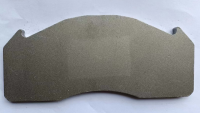
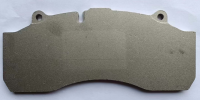
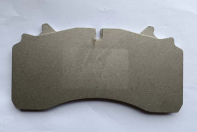
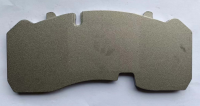
Mechanical performance characteristics (1) High strength bearing capacity The steel back of the brake pad has high strength, which is one of its most prominent features. During the braking process, the kinetic energy of the vehicle needs to be converted into heat energy through the braking system, which will generate enormous pressure on the brake pads. For example, during emergency braking of a high-speed car, the instantaneous pressure on the brake pads may reach several tons. The high strength of the steel back enables it to withstand such immense pressure without significant deformation or damage. It is like a strong shield, protecting the other parts of the brake pads and ensuring that the braking system can function properly. The high strength of the steel back is also reflected in its supporting effect on the friction material. Friction material is the part that directly contacts the brake disc to generate friction, and its texture is relatively soft. The high strength of the st
-
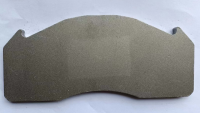
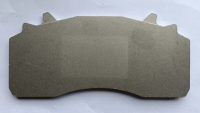
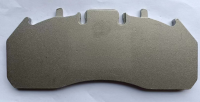
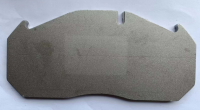
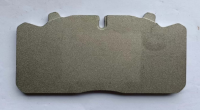
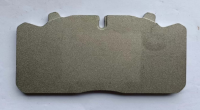
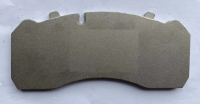
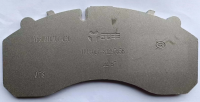
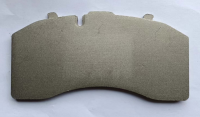
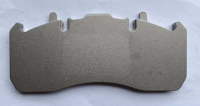
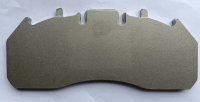
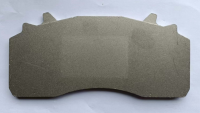
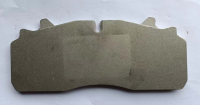
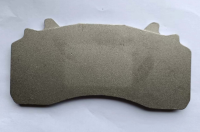
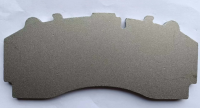
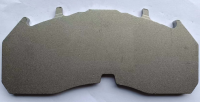
The basic characteristics of brake pad steel backing are high strength and rigidity. Brake pad steel backing is usually made of high-quality steel, which has high strength. During the braking process, brake pads are subjected to tremendous pressure, especially in emergency braking or when the vehicle is heavily loaded. The high strength of the steel backing can effectively resist these pressures and prevent excessive deformation of the brake pads. For example, when a heavy-duty truck loaded with goods needs to brake urgently while driving at high speeds, the high strength of the steel back can ensure that the brake pads maintain their original shape, allowing the friction material to fully and evenly contact the brake discs, thereby generating stable braking force. Rigidity is also an important characteristic of steel backs. It can provide a stable support structure for brake pads, just like steel beams in buildings, ensuring that brake pads do not work during operation
-
The importance of brake pad steel backing is that it is a key component in the entire brake pad structure of automobiles. It is like a strong backing, providing solid support for the friction material of the brake pads. During the braking process, when the driver steps on the brake pedal, the brake calipers will clamp the brake pads, causing the friction material of the brake pads to come into close contact with the brake disc, thereby generating frictional force to slow down or stop the vehicle. At this point, the steel back needs to withstand tremendous pressure and friction. If there is a problem with the steel back, the performance of the entire brake system will be severely affected. 2、 The impact of steel back damage on braking performance (1) Decreased braking efficiency. With the increase of usage time and the influence of various factors, the steel back may deform. For example, in frequent emergency braking or prolonged high-intensity braking situations
-
The following are some factors that can affect the performance of brake pad steel backing: Firstly, material factors. Different grades of steel have differences in strength, hardness, toughness, and other aspects. High quality steel can better withstand the pressure and impact generated during braking, and is not easily deformed. For example, steel backs made of high-strength alloy steel perform better in durability and stability compared to ordinary low-carbon steel backs. The purity of steel is also important, as steel with low impurity content can ensure consistent and reliable performance. Surface treatment anti rust coating: Steel backs are usually treated with anti rust measures such as galvanizing, chrome plating, etc. A good anti rust coating can not only prevent rusting of the steel back, but also improve the adhesion with the brake pad friction material
-
When choosing a brake pad steel back, the following points can be considered: 1. Material: High quality steel. Brake pad steel backs are usually made of high-strength steel, such as low-carbon steel or alloy steel. These steels have good strength, toughness, and wear resistance, and can withstand the enormous pressure and friction generated during braking. You can learn about the type and quality of steel used in the steel back by checking the product manual, consulting sales personnel, or conducting online searches. For example, some high-performance brake pad steel backs are made of special alloy steel that undergoes heat treatment and surface treatment to improve their strength and corrosion resistance. Rust prevention treatment is crucial as the steel back of brake pads comes into contact with moisture, dust, and other corrosive substances during use. Common anti rust treatment methods include galvanizing, chrome plating, and spraying
-
Attention should be paid to the following when purchasing brake pad steel backs: 1. Product quality and material selection. High quality brake pad steel backs are usually made of high-strength steel, such as low carbon steel or alloy steel. These steels have good strength, toughness, and wear resistance, and can withstand the enormous pressure and friction generated during braking. When purchasing, you can inquire about the material of the steel back from the seller and check the product manual or relevant certification marks to ensure that the material meets the requirements. For example, some high-performance brake pad steel backs are made of special alloy steel that undergoes heat treatment and surface treatment to improve their strength and corrosion resistance. A sophisticated manufacturing process can ensure the quality and performance of the steel backing. Pay attention to the stamping, welding, surface treatment and other process steps of the steel back. The stamping process sh
-
The service life of brake pad steel backing can be extended through the following methods: Firstly, correct driving habits can avoid sudden braking, which can cause significant pressure and wear on the brake pads and steel backing. During driving, it is advisable to maintain a safe distance between vehicles, anticipate road conditions in advance, and avoid emergency braking. For example, when you see a red light ahead, release the accelerator early and slow down slowly, instead of waiting until the last moment to suddenly apply the brakes. Reducing frequent braking can also accelerate the wear of brake pads and steel backing. During driving, engine braking and coasting can be used reasonably to reduce the frequency of brake usage. For example, when descending a mountain, choose the appropriate gear and use the engine brake to control the speed, rather than relying solely on the brake. 2、 Good vehicle maintenance, regular inspection of brake system, regular inspection of brake pad thic
-
The steel backing of brake pads plays a crucial role in the automotive braking system, mainly reflected in the following aspects: 1. Structural support for bearing friction materials. The steel backing of brake pads provides a solid support structure for friction materials. Friction material is a key component in achieving braking function, but it is relatively soft and requires support from a steel back to maintain a stable shape and position. For example, during the braking process, the friction material is subjected to tremendous pressure and friction. Without the support of a steel back, the friction material may deform, break, or detach, leading to braking failure. The high-strength characteristics of the steel backing ensure the overall strength of the brake pads, endowing them with structural strength. It can withstand the clamping force from the brake caliper and various stresses generated during the braking process. For example, during emergency braking, the braking system
-
The following methods can be used to determine whether the brake pad steel back is damaged: First, visually inspect and observe directly. First, lift the vehicle or observe the brake pad steel back from the wheel under safe conditions. Check if there is any obvious deformation, bending, or twisting on the surface of the steel back. If the shape of the steel back undergoes significant changes, it may affect the normal contact between the brake pads and brake discs, thereby reducing the braking effect. Check for cracks on the steel back. Cracks may be caused by excessive wear, external impact, or manufacturing defects. Even small cracks may gradually expand during use, leading to steel back fracture and seriously affecting brake safety. Observe whether there is severe rusting on the steel back. Although slight surface rust is normal to some extent, if the rust has penetrated deep into the internal structure of the steel back
-
The steel backing of brake pads does not necessarily need to be replaced regularly, depending on multiple factors. 1、 If the brake pad steel back shows severe wear, deformation, cracks, or other conditions that require replacement, it needs to be replaced. For example, when the thickness of the steel backing becomes thinner due to excessive wear and cannot provide sufficient support for the brake pads, the steel backing must be replaced to ensure the normal operation of the brake system. During the driving process, if the vehicle experiences severe collisions or impacts, it may cause deformation of the steel back, and in this case, the steel back also needs to be replaced. In some cases, when the brake pads wear out and need to be replaced, they may be replaced together with the steel backing. This is usually because the brake pads and steel backing are integrated braking components, and when the brake pads are severely worn, the steel backing may also be affected
-
The service life of brake pad steel backing is affected by various factors. Generally, its service life can be considered from the following aspects: 1. Factors affecting the service life of brake pad steel backing: Different materials of brake pads have different degrees of wear on the steel backing. For example, the hardness of semi metallic brake pads is relatively high, which may cause significant wear on the steel backing; Ceramic brake pads are relatively soft and have less wear on the steel backing. High quality brake pads typically use more advanced friction material formulations to ensure braking performance while reducing wear on the steel backing, thereby extending its service life. Radical driving habits, such as frequent sudden braking and sudden braking at high speeds, can cause greater pressure and friction on the brake pads and steel back, thereby shortening the service life of the steel back. Smooth driving
-
The wear resistance of brake pad steel backing varies due to various factors. 1、 The factors affecting the wear resistance of brake pad steel backing are material quality and steel type. Different types of steel have different hardness, strength, and toughness, which in turn affect the wear resistance of the steel backing. Generally speaking, steel backs made of high-strength and high hardness steel have better wear resistance. For example, some high-quality brake pad steel backs are made of special alloy steel, which performs well in wear resistance. Material purity: The purity of steel also affects its wear resistance. High purity steel has fewer internal impurities, uniform structure, and better resistance to wear. Steel containing a high amount of impurities is prone to uneven local wear during use. Manufacturing process heat treatment: Appropriate heat treatment can improve the hardness and strength of the steel back, thereby enhancing its wear resistance
-
The daily maintenance and upkeep of brake pad steel backing are crucial for ensuring the performance and safety of the brake system. Here are some recommended measures: 1. Regularly inspect the appearance of the brake pad steel back, check for rust, deformation, cracks, and other conditions. If rust is found on the surface of the steel back, sandpaper can be used to gently remove the rust, and then rust inhibitor can be applied. Check if the connection between the steel back and the brake pad is secure, and tighten it promptly if there is any looseness. The thickness measurement uses professional measuring tools to measure the thickness of the brake pad steel back. As the usage time increases, the brake pads will gradually wear out, and the thickness of the steel back will correspondingly become thinner. If the thickness of the steel backing is lower than the specified minimum value, the brake pads should be replaced in a timely manner. The overall inspection of the brake system includ
-
When there is abnormal noise on the steel back of the brake pad, the following measures can be taken to deal with it: First, determine the type and source of the abnormal noise, listen carefully to the characteristics of the abnormal noise, such as the frequency, loudness, duration, etc. Different types of abnormal noises may have different reasons. For example, sharp metal friction sounds may indicate abnormal friction between brake pads and brake discs; The dull impact sound may be due to looseness or improper installation between the steel back and the caliper. Pay attention to observing the specific conditions under which abnormal noise occurs, such as when braking, driving, at specific speeds, or under specific road conditions. This helps determine the source of the abnormal noise. For example, the abnormal noise that only occurs during braking may be related to the brake pads and steel backing; The persistent abnormal noise during driving may be due to other factors
-
When installing the brake pad steel back, attention should be paid to the following movement details during use: 1. Avoid sudden braking during the initial break in stage. The newly installed brake pad steel back and friction material need a certain amount of time for break in to achieve the best braking effect. During the initial running in stage (usually the first few hundred kilometers after installation), sudden braking should be avoided as much as possible. Sudden braking can generate excessive pressure and temperature between the brake pads and brake discs, which may cause uneven wear on the friction material surface, affecting braking performance and service life. During the running in period, a gentle braking method should be used, gradually increasing the braking force to make the contact between the brake pads and brake discs more even. For example, predicting road conditions in advance while driving, slowly stepping on the brake pedal, and avoiding sudden heavy braking. This
-
The wear resistance and heat dissipation of brake pad steel backing need to be considered comprehensively. The following are the methods to achieve a balance between the two: Firstly, understand the importance of wear resistance and heat dissipation. Wear resistance ensures the service life of brake pads: the wear resistance of steel backing directly affects the overall life of brake pads. If the steel backing is not wear-resistant, it is prone to wear and deformation during use, resulting in poor contact between the brake pads and brake discs, reducing braking effectiveness, and shortening the replacement cycle of brake pads, increasing usage costs. Maintain the stability of the braking system: The wear-resistant steel back can maintain its shape and size stability during long-term use, ensuring even pressure distribution between the brake pads and brake discs, thereby improving the reliability and safety of the braking system. Heat dissipation to prevent brake overheating: Friction b
-
In the production and use of brake pad steel backing, the following details are crucial and cannot be ignored: 1. Dimensional accuracy, thickness uniformity of steel backing, and the thickness of steel backing should be kept uniform and consistent. If the thickness is uneven, it will cause uneven contact pressure between the brake pads and brake discs during the braking process, affecting the braking effect. For example, locally thin areas may be subjected to excessive pressure and deform, or even damage; Locally thick areas may not be able to fully contact the brake disc, reducing braking friction. High precision stamping molds and strict quality control measures should be used in the production process to ensure that the thickness tolerance of the steel back is controlled within a small range. The position accuracy of the installation holes on the steel back must be accurate to ensure that the brake pads can be correctly installed on the brake calipers. The position of the installati
-
The quality of brake pad steel backing mainly depends on the following factors: 1. Material quality. Steel type: High quality brake pad steel backing usually uses specific types of steel, such as low-carbon steel or alloy steel with good strength and toughness. Different types of steel exhibit varying degrees of hardness, strength, toughness, and corrosion resistance. For example, some high-performance brake pad steel backs may use alloy steel, which has higher strength and wear resistance than ordinary low-carbon steel, and can better withstand the pressure and friction generated during braking. High purity steel can ensure stable performance of the steel backing. If steel contains excessive impurities such as sulfur, phosphorus, and other elements, it will reduce the strength and toughness of the steel back, affecting its service life. Legitimate manufacturers will conduct strict screening and testing of raw materials to ensure the purity of steel
-
The cheap price of brake pad steel backing may be a good thing or a bad thing, and it needs to be judged based on multiple factors. The situation that may be a good thing is whether it is direct sales from the manufacturer or bulk procurement. If it is purchased directly from the manufacturer without excessive intermediate price increases, or if the purchaser has conducted large-scale bulk procurement to reduce costs, then a cheap brake pad steel backing is reasonable. In this case, obtaining quality assured products at a lower price is a good thing for consumers or businesses to save costs. Technological progress or improvement in production efficiency: With the continuous advancement of production technology, production processes are improved, production efficiency is significantly increased, and manufacturers' production costs are reduced, which may be reflected in cheaper product prices. For example, more advanced stamping technology and automation have been adopted
-
The steel backing of brake pads has a significant impact on the braking effect of automobiles. The following are some methods for selecting brake pad steel backing, which can help improve the braking effect of automobiles: 1. Understand the role of brake pad steel backing. Brake pad steel backing mainly plays a role in supporting friction materials, transmitting braking pressure, and dissipating heat. A high-quality steel backing should be able to ensure stable support of friction materials during braking, effectively transmit braking pressure, and timely dissipate the generated heat to ensure the reliability and durability of the braking system. 2、 Generally speaking, common brake pad steel backing materials include low-carbon steel, stainless steel, etc. Low carbon steel has good strength and toughness, relatively low cost, but is prone to rusting. Stainless steel backing has better corrosion resistance and can maintain stable performance in harsh environments,
|
|